I decide to walk one brilliant Sunday morning from my place in Muizenberg to Kalk Bay and back via Boyes Drive. This is an incredibly beautiful, and historic, walk that was recently introduced to me. It follows the coastline of the Cape Peninsula and then the scenic Boyes Drive that scales Muizenberg Mountain for the most spectacular views. At the suggestion of a friend, earlier in the week I grabbed a book at the local library to learn more about the area’s history. I throw a plum and a pear in a small back pack with my book and a few rands (South African currency) and follow the beach southward.
I walk the twenty five minutes to Surfers Corner, the most popular beach in Muizenberg and as I arrive I hear a siren. It is the kind of siren that reminds me of school earthquake drills. I see dozens of surfers and people of all ages standing on the sand looking towards the beach. This beach has lifeguards at bay as well as look-outs from Boyes Drive who are there to spot sharks in the water. The siren indicates that sharks were spotted- a recent news article had claimed several shark spottings in the area, presumably due to the warm weather and ripe feeding grounds. The flag that indicates a shark has been spotted within the last two hours flapped in the wind. I gaze intently in the water, excitedly hoping to a shark fin, but to no avail.
As onlookers continue to stare at the water, I move onward. The area is rich with a history and I look forward to exploring it first-hand. It is said to have started in the late seventeenth century. In the mid-1700’s the Dutch East India Company had a military post under command of Sergeant Muys, after which the area took its name- Muysenburg. Later the spelling was changed to Muizenberg.
Although Kalk Bay had been established as an important fishing village for some time, this part of the Cape Peninsula grew to be an important destination spot for the wealthy during the nineteenth century. By 1883 the railway, still in use today, extended from Cape Town to Kalk Bay, increasing access and promulgating its prosperity. Several homes with names like “Coolarty”, “Villa Capri”, “Rust-en-Vrede” and “Melrose” were built during this time, and still remain. John Cecil Rhodes built a home along the beach, where he later died in 1902.
But probably the most notable historical event is the Battle of Muizenberg. A small billboard supported by the Cape Town municipality marks the site. The battle happened in 1795 and last only two hours and had few casualties, but it had a lasting impact on South Africa. The British, in part due to threat of Napoleon’s military might taking over the prosperous route from India to the Old World, attacked the current occupiers of the Cape, the Dutch East India Company. The Dutch East India Company’s fort was built so close to the sea that four British battleships pummelled the fort, quickly forcing the Dutch to abandon. It was this battle that led to the First British Occupation and it laid the grounds for the Second British Occupation in 1806. Fortunately for me, this is the reason that South Africans speak English rather than French!
I continue on my walk past the trendy and lively Kalk Bay. I walk up Boyes Drive and follow the narrow sidewalk that offers breath taking views of False Bay. Along the way I stop and eat my plum and once again thumb through the pages of my book, looking at photos and thinking how, in many ways, the area hasn’t changed much at all in over two hundred years. I continue to walk and pass the small thatched canopy that shades the shark spotters, who intently look towards the sea. I return home three hours later, burned from the sun but energized by the rich history and striking beauty of the area.


About Me

Me with Lion Cubs

Victoria Falls, Zimbabwe
Sunset over Okavango Delta

Botswana
Sunset From Table Mountain

Cape Town
Cape Town Stadium

Cape Town
Women Preparing Meat

QoboQobo, Eastern Cape
Preparing Ceremonial Meal

QoboQobo, Eastern Cape
Moonlit Mama

QoboQobo, Eastern Cape
Boy Playing on Tractor

QoboQobo, Eastern Cape
Preparing a Meal

QoboQobo, Eastern Cape
Ceremony of Mama's

QoboQobo, Eastern Cape
Ceremonial Procession of Mama's

QoboQobo, Eastern Cape
Boulders Beach w Penguins

Simons Town, Cape Town
Cooking pots

QoboQobo Eastern Cape
Moon Drama

Eastern Cape
Night Braii- men in rondeval over fire

Paterson, Eastern Cape
Farmland

Eastern Cape
Me with Aunt of the Bride

Paterson, Eastern Cape
Wedding Cake

Paterson, Eastern Cape
Rondevals

Paterson, Eastern Cape
Singing for the Bride

Paterson, Eastern Cape
Zukhanye, Onella and Onella's cousin (L to R)

Masiphumelele, Cape Town, Western Cape
Gorgeous day at the beach

Paternoster, west coast of Western Cape
Mountain caps
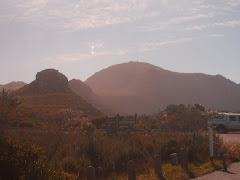
Silvermine, Western Cape
View of False Bay from Muiz to Simons Town

From my new apartment balcony
Kitchen

Muizenberg
View from loft

Muizenberg, Western Cape
Balcony with view

Muizenberg, Western Cape
interior of my apartment

Muizenberg, Western Cape
view from my new apartment!

Muizenberg, Western Cape
Bandile and daughter, Zukhanye

Cape Town, Western Cape
Sunset

Paterson, Eastern Cape
Kofifi and newborn daugther, Masego

Paterson, Eastern Cape
1999 Opel Kadett

My new car!
Cubana's birthday party

Table View, Cape Town
Mogape (middle) and friends

Port Elizabeth, Eastern Cape
clothed in traditional Xhosa married outfit

QoboQobo, Eastern Cape
Sunset on the Indian Ocean

Port Elizabeth, Eastern Cape
Lions Head

Cape Town
Zebras

KwaZulu Natal
Nelson Mandela's prison cell

Robin Island, Cape Town
Giraffes

KwaZulu Natal
Victoria and Andrew Waterfront

Cape Town
Elephants

Addo Elephant Game Park, Port Elizabeth
Dudu, Onella and friends

Masiphumelele, Cape Town
Winelands

Stellenbosch- wine country
With friends in rural Eastern Cape

QoboQobo, Eastern Cape
No comments:
Post a Comment